


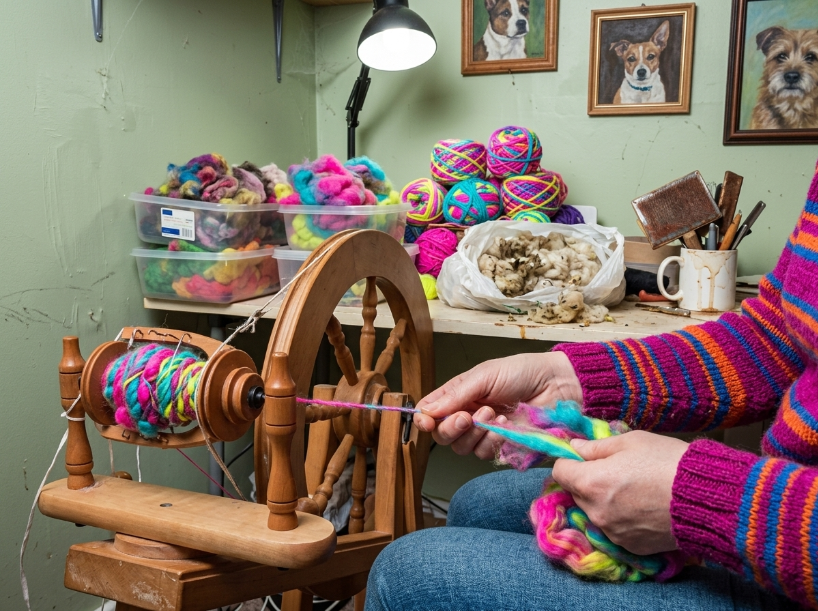
Commercial yarn is manufactured to meet average tension and hook size expectations, but handspun fiber lets you control twist direction, ply count, and fiber preparation to match your exact crochet style. The yarn structure you spin directly affects how the hook catches the fiber, how stitches define themselves, and whether the fabric holds its shape or drapes. Understanding the relationship between spin characteristics and crochet behavior means you can create yarn that works with your natural tension rather than fighting it.
The Short Answer
Handspun yarn for crochet often benefits from enough twist to keep the yarn cohesive during repeated hook manipulation, but the ideal amount depends on the fiber, yarn structure, and project. Some crocheters find that matching yarn twist direction to their working motion reduces untwisting, but the best direction depends on the individual crocheter and technique. A balanced 2-ply or 3-ply construction can improve yarn cohesion and may reduce splitting during stitch formation, depending on the singles and plying twist.
Main Steps
A moderate twist can work well for many handspun yarns, but the ideal amount depends on the fiber, spinning method, and intended use. Adequate twist helps the yarn hold together during repeated hook manipulation, while excessive twist can make the yarn wiry or distort the fabric. This can make a moderately firm, cohesive yarn useful for amigurumi and other structured crochet projects where stitch definition and shape retention matter. Crochet involves repeated manipulation of the working yarn as the hook draws loops through the fabric, which can expose poorly integrated or loosely twisted yarn to more opportunities for splitting. That said, if you are spinning for a lacy shawl or a project where drape matters more than stitch definition, a looser twist with woolen-spun preparation creates a softer, airier yarn that moves more naturally with the fabric.
Twist direction matters because of how the hook rotates during stitch formation. Some crocheters find that matching yarn twist direction to their working motion reduces untwisting, but the best direction depends on the individual crocheter and technique. If you are spinning for a specific project, Yarn Under vs. Yarn Over explains how hook direction interacts with yarn structure in more depth. Some crocheters find that one twist direction works more smoothly with their particular hook motion, but there is no universal twist direction for left- or right-handed crocheters.
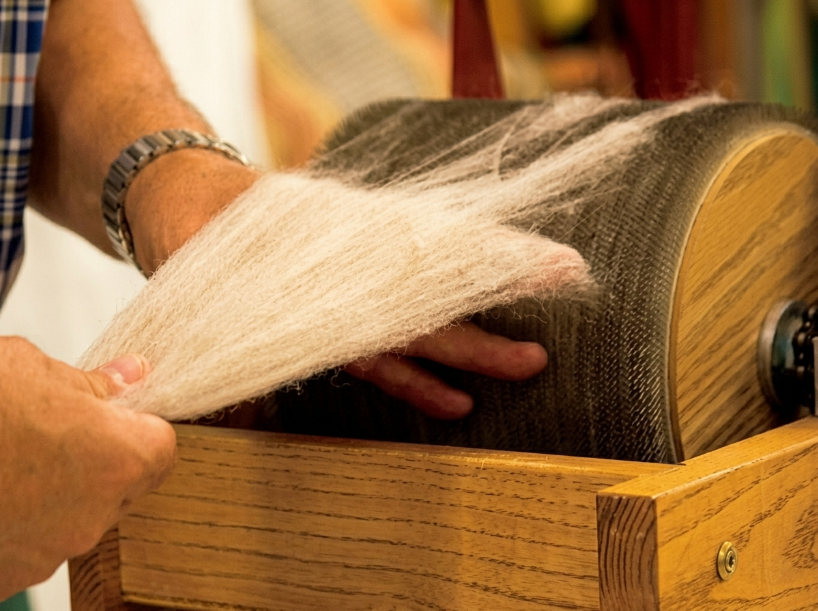
Fiber preparation changes how the yarn behaves once it is crocheted. Worsted-style preparation aligns fibers more parallel to one another, producing a smoother yarn with clearer stitch definition. This is an excellent choice for colorwork, amigurumi, or any project where you want each stitch to read distinctly. Woolen-spun yarn has fibers carded in all directions, creating a loftier yarn with more halo and less stitch clarity. The catch is that woolen-spun yarn can compress under tension, which may contribute to gauge shifts, though variations in the handspun yarn itself are often a bigger factor. If your project needs consistent stitch size, worsted-spun preparation often gives you more predictable results.
| Step | What to do | Watch out for |
|---|---|---|
| Select fiber preparation | Use combed fiber for worsted-spun (smooth, defined stitches) or carded fiber for woolen-spun (soft, lofty fabric) | Woolen-spun compresses under tension and may shift gauge mid-project |
| Spin with appropriate twist | Spin cohesively to help prevent splitting during hook insertion | Too much twist makes the yarn wiry and hard to work with |
| Choose twist direction | Experiment with twist directions to match your crochet motion | A mismatch between yarn twist and your working motion may increase untwisting for some crocheters |
| Ply the yarn | 2-ply or 3-ply construction can reduce splitting and increase durability | Single-ply yarn can split more easily under the repeated stress of crochet stitches |
Comparison / Options
Many guides recommend 2-ply construction for handspun yarn because it balances durability with flexibility, and that advice holds for many crochet projects. Plying two singles together can improve cohesion and make the yarn easier to handle during crochet, although the result depends on the singles and the balance of the finished yarn. A 2-ply yarn also gives you more control over the final twist angle, since you can adjust the plying twist to counteract any overtwist in the singles. Even so, if you are making a structured bag or a piece that will be handled frequently, 3-ply construction adds durability, though it can affect the hand and drape differently depending on the yarn. The tradeoff is that 3-ply yarn takes longer to spin and uses more fiber per yard, which matters if you are working with expensive or limited-quantity fiber.
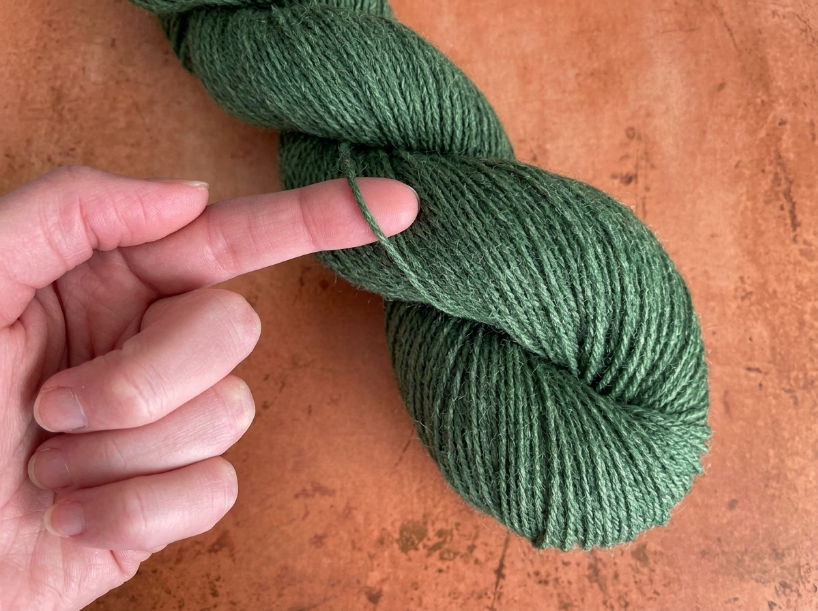
Single-ply yarn works for specific situations but requires careful planning. A tightly spun single can work for lace or openwork crochet where the yarn is under less mechanical stress, and the lack of plying gives the yarn more drape. In contrast, a loosely spun single may split frequently during crochet and is generally not the best choice unless you are deliberately aiming for a rustic, textured fabric where some fiber separation is acceptable. If you are spinning for a project that needs both drape and durability, a 2-ply yarn spun from woolen-prepared singles offers more give than worsted-spun while still holding together under the hook.
Staple length changes how tightly you need to spin the fiber. Shorter staple fibers generally need sufficient twist to keep the fibers securely integrated into the yarn, while longer fibers can often maintain cohesion with less twist. As a result, short-staple fibers are generally better suited to yarns with sufficient twist rather than very loosely spun yarns. How to Choose Yarn Size for Crochet walks through how fiber length translates to final yarn weight, which matters when you are planning gauge for a specific project.
Common Mistakes
A frequent mistake is spinning handspun yarn to the same twist level as knitting yarn and then wondering why it splits frequently during crochet. Crochet involves repeated manipulation of the working yarn as the hook draws loops through the fabric, which can expose poorly integrated or loosely twisted yarn to more opportunities for splitting. If you spin with the exact same twist you would use for a knitted project, the yarn might not hold together under that repeated manipulation. That said, if you add too much twist, the yarn becomes wiry and difficult to control, which makes stitch formation uneven. The fix is to spin a test swatch, crochet a small sample, and adjust the twist level based on how the yarn behaves under the hook rather than how it looks on the bobbin.
Another mistake is assuming that any fiber preparation will work for any crochet project. Woolen-spun yarn creates a soft, lofty fabric that works well for blankets and scarves, but the lack of stitch definition can make it a poor choice for colorwork or amigurumi where you need each stitch to read clearly. Worsted-spun yarn gives you that stitch clarity but can feel stiff and dense in projects where drape matters. The catch is that fiber preparation is set before you start spinning, so if you choose the wrong preparation for your project, you cannot fix it by adjusting twist or ply count. If you are spinning for a project where both drape and definition matter, a semi-worsted preparation (fibers partially aligned but not fully combed) splits the difference.
Spinning yarn that is too thin for your natural crochet tension is another common issue. If you spin a fingering-weight yarn but crochet with tight tension, the resulting fabric may become denser than intended because the yarn is being worked under greater compression. Rather than automatically changing the yarn weight, crochet a gauge swatch and adjust the yarn diameter, twist, or hook size according to the fabric you want to create.
Troubleshooting
If your handspun yarn splits constantly during crochet, the issue may be insufficient twist or single-ply construction. A loosely twisted single-ply yarn may not have enough structural integrity to hold together under repeated hook manipulation. If the yarn is still being spun, you can experiment with additional twist. If the project calls for a plied yarn, plying the singles can also improve the yarn’s cohesion and handling. In contrast, if the yarn is already plied and still splitting, the problem might be that the singles were spun with too little twist before plying, which means the plying twist is holding together a structurally weak yarn. In that case, you may need to spin new singles with tighter twist rather than trying to overtwist the plied yarn.
If the fabric curls excessively after crocheting with handspun yarn, the issue is often that the yarn has too much residual twist energy. This happens when you spin the singles with high twist and then do not add enough counter-twist during plying, which leaves the yarn unbalanced. The fix is to wet-block the finished fabric, which allows the fibers to relax and redistribute the twist energy. That said, if the yarn was spun with extreme overtwist, wet blocking will not fully correct the curl, and you may need to re-spin the yarn with less twist in the singles. For natural fibers like wool, wet blocking after crocheting can even out minor tension variations from handspun yarn, but synthetic fibers do not respond to wet blocking in the same way.
If your gauge shifts noticeably as you work through a skein of handspun yarn, the issue is often inconsistent yarn diameter or twist angle. Handspun yarn frequently varies in thickness within a single skein, which means your stitches will be tighter in sections where the yarn is thinner and looser where the yarn is thicker. The fix is to check your gauge every few rows and adjust your hook size if the fabric starts to look noticeably different.
| Mistake | Why it happens | Fix |
|---|---|---|
| Yarn splits during crochet | Insufficient twist or single-ply construction | Spin with tighter twist or ply the yarn before crocheting |
| Fabric curls excessively | Yarn has too much residual twist energy from unbalanced plying | Wet-block the finished fabric to allow fibers to relax |
| Gauge shifts mid-project | Handspun yarn diameter varies within the skein | Check gauge every few rows and adjust hook size if fabric changes |
| Yarn feels wiry and stiff | Overtwisted singles or excessive plying twist | Reduce twist during spinning or use a looser plying angle |
Questions You Might Still Have
Q: What is the easiest way to start spinning yarn for crochet as a beginner?
Start with a drop spindle and medium-staple wool fiber like Corriedale or Romney, which are forgiving for beginners and hold twist well. Spin enough twist to produce a cohesive yarn, then make a small sample and adjust your twist based on how the yarn behaves during crochet.
Q: How long does spinning yarn for a full crochet project take from start to finish?
Spinning time varies widely based on yarn weight and your skill level. Expect to spend multiple sessions spinning enough singles for a small project like a hat, then additional time plying and finishing the yarn. A full sweater requires a substantial investment of time, and most spinners work in short sessions rather than trying to spin an entire project’s worth of yarn at once.
Q: What hook size and yarn weight do I need for handspun yarn?
Handspun yarn weight is less standardized than commercial yarn, so you need to measure your yarn’s wraps per inch and crochet a gauge swatch to determine the right hook size. Because handspun yarn varies in thickness and structure, choose the hook size from a gauge swatch rather than assuming it should be smaller than the hook used for commercial yarn of the same nominal weight.
Q: What are the most common mistakes when spinning yarn for crochet?
Frequent mistakes include spinning with too little twist (which can cause the yarn to split during crochet), using single-ply yarn where durability is needed, and choosing the wrong fiber preparation for the project type. Another common issue is not plying the yarn, which can leave it structurally weak and prone to breaking under hook stress.
Q: How do I fix it if my handspun yarn splits constantly during crochet?
If the yarn is already spun, you can ply it with another single to add structural integrity, or you can use a smaller hook to reduce the amount of fiber stress per stitch. If the yarn is still on the bobbin, add more twist before plying. For future projects, consider spinning the singles with tighter twist from the start.
Q: Is there a faster method for spinning yarn for crochet projects?
Spinning on a wheel is significantly faster than using a drop spindle, but the initial investment is higher. If you already have a wheel, spinning thicker singles and plying them loosely creates yarn faster than spinning fine singles, though the resulting yarn will be bulkier. Some spinners use a supported spindle for speed, but the technique requires practice to maintain consistent twist.
📅 Last reviewed: August 2026 · This article is reviewed every 12 months.
Summary
Handspun yarn for crochet often benefits from enough twist to keep the yarn cohesive during repeated hook manipulation, but the ideal amount depends on the fiber, yarn structure, and project. Worsted-style preparation gives clear stitch definition for structured projects, while woolen-spun fiber creates softer, drapier fabric at the cost of gauge consistency. A useful starting point for structured crochet is a cohesive 2-ply yarn with clear stitch definition, but the ideal twist, ply, and fiber preparation depend on the crocheter, fiber, and intended fabric. Some crocheters may find that one twist direction works more smoothly with their individual crochet motion, while others may notice little difference.

