


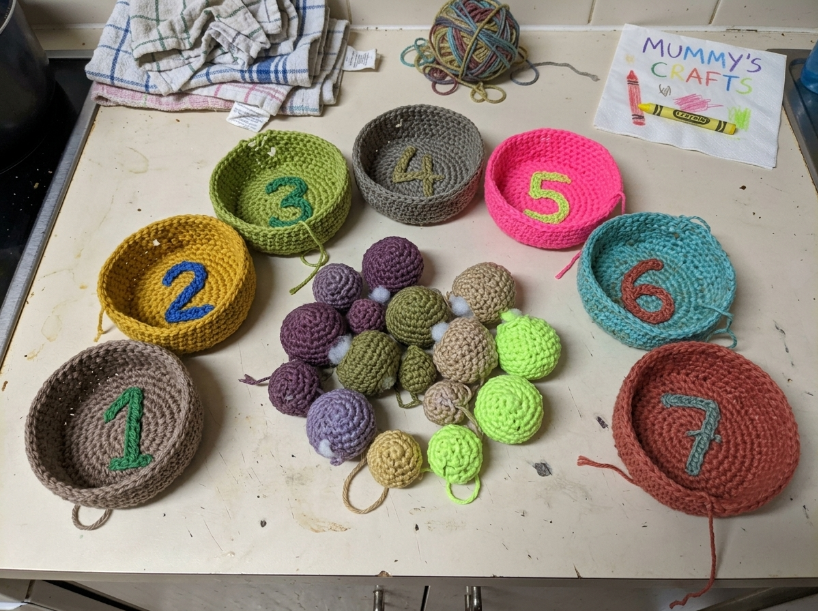
Crocheted educational toys and puzzle pieces can hold their shape well when worked with dense stitches and appropriate tension, making them easier for children to handle and match. Dense crochet fabric can help flat puzzle pieces and stuffed components retain their shape, making their edges easier for children to grip and manipulate.
The Short Answer
Crochet educational toys work best with cotton or cotton-blend yarn worked in single crochet at tight tension, often using a smaller hook than the yarn label suggests to create a dense fabric, although the exact size depends on the yarn, tension, and project. The resulting fabric can be dense enough to handle repeated use, although durability also depends on the yarn, construction, seams, and care. Acrylic is often less expensive and offers good durability for many children’s toys, although its stretch and recovery can differ from cotton depending on the yarn.
Main Steps
Most guides recommend starting with a gauge swatch to ensure puzzle pieces match the intended size. That advice holds when you are making a multi-piece set where dimensional consistency matters, like interlocking shape sorters or matching letter tiles. In practice, if you are making a single standalone toy, like a crocheted counting caterpillar with detachable segments, skipping the gauge swatch and adjusting hook size based on how the first piece looks can sometimes save time without compromising function.
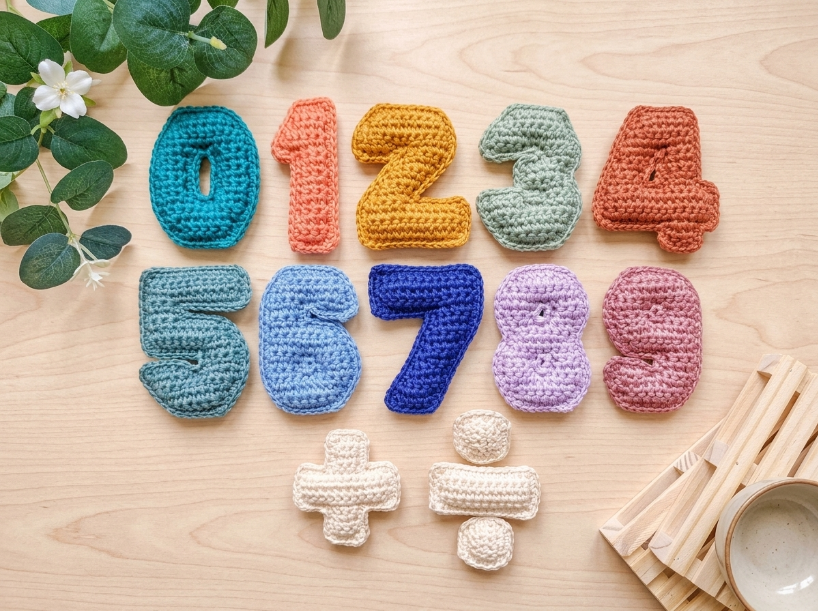
Cotton and cotton-blend yarns are common choices for educational toys because they can produce firm, clearly defined fabric. Cotton generally has relatively low elasticity, which can help crocheted numbers and letters retain their shape during repeated handling. That said, cotton can feel rough on the hands during long sessions, which is why a cotton-bamboo blend often makes more sense for projects with dozens of small pieces. A cotton-bamboo blend can provide a softer hand while retaining some of cotton’s structure, although the exact behavior depends on the blend.
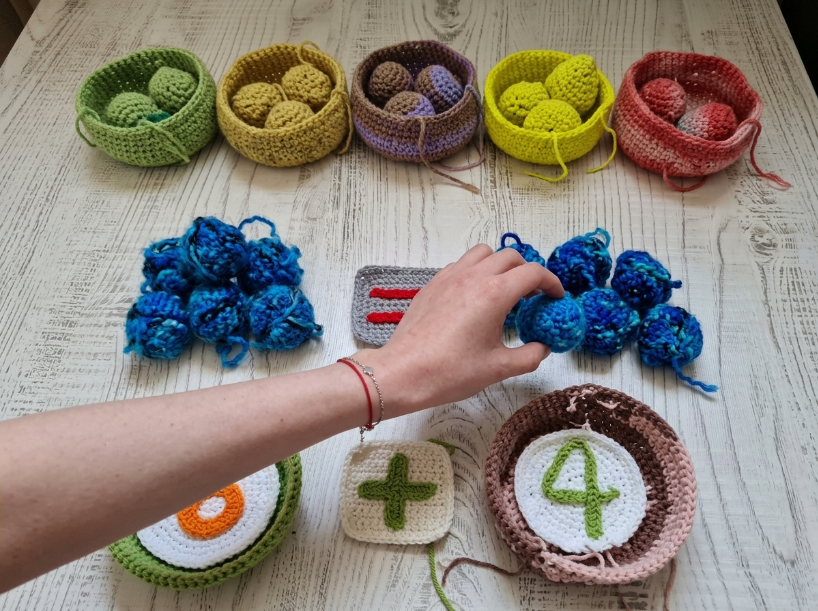
Starting with a magic ring can help close the center of pieces worked in the round. For flat pieces, a foundation single crochet can provide a different edge structure than a traditional chain. Crochet Puzzle Projects: DIY Educational Toys That Boost Kids’ Learning walks through the specific construction methods for both flat and three-dimensional toy components.
| Step | What to do | Watch out for |
|---|---|---|
| Swatch and measure | Work a small square in single crochet with your chosen yarn and hook to confirm finished dimensions | Tension changes between flat and in-the-round work, so swatch in the same construction method as your final piece |
| Choose starting method | Use magic ring for worked-in-the-round pieces or foundation single crochet for flat components | Traditional foundation chains can create a tight, curling bottom edge on flat pieces |
| Work in tight tension | Consider a smaller hook than the yarn label suggests if you need denser fabric | Too-tight tension can cause hand fatigue, so take breaks during long sessions |
| Consider safety features | For young children, use embroidered features rather than plastic components | Plastic safety eyes can present a choking hazard if they detach |
Comparison / Options
Cotton is washable, holds its shape, and creates the crisp stitch definition that makes educational toys look professional. One reason it is recommended so often is that cotton generally stretches less than many more elastic fibers, which can help edges remain defined when a child handles a puzzle piece. The catch is that cotton has relatively little elasticity, so if a toy needs to be squeezed or manipulated frequently, like a soft counting book with crocheted pages, the stiffness works against the design. A cotton-acrylic blend offers enough structure to keep shapes defined while adding just enough elasticity to make the toy more tactile.
Acrylic yarn is often less expensive and comes in a wide range of bright colors, which makes it the practical choice for large sets like alphabet blocks or number tiles. Many acrylic yarns are machine-washable and generally resist shrinking when cared for according to the manufacturer’s instructions. In contrast, acrylic generally has more elasticity and recovery than cotton, so the finished fabric can behave differently under repeated stretching and handling.
Worsted weight yarn is a versatile choice for many educational toys because it creates pieces large enough for small hands to grip without being bulky enough to make stitching tedious. A smaller hook relative to the yarn weight creates a tighter fabric. If durability is the priority, Amigurumi Durability Test: Why Crochet Toys Sag & How to Fix It explains how fiber choice and construction method affect how well a toy holds up under repeated use.
Common Mistakes
Using the hook size recommended on the yarn label may produce fabric that is too open for some stuffed children’s toys, depending on the yarn and your tension. The stuffing will show through the stitches, and the piece may lose its shape after a few washes. The reason a smaller hook works better is that it forces the stitches closer together, creating a fabric dense enough to contain the stuffing and resist deformation. Even so, going too small makes the fabric stiff enough that it is uncomfortable to work with for extended periods, which is why testing a swatch with different hook sizes helps you find the balance between density and workability.
Switching yarn brands mid-project without checking gauge can result in puzzle pieces that don’t match in size. Different brands twist their fibers differently, which affects how much the yarn compresses under tension. A cotton yarn from one manufacturer might crochet up tighter than another brand’s cotton at the same labeled weight. If you are making a set of educational toys where consistency matters, buy all the yarn from the same dye lot and brand at the start of the project.
Stuffing pieces too firmly causes the fabric to stretch and distort, which makes puzzle edges less defined. The fabric needs just enough filling to hold its shape without pulling the stitches apart. That said, understuffing leaves the piece floppy, which makes it harder for children to manipulate. The right amount of stuffing is when the piece feels firm but the fabric doesn’t look strained.
Troubleshooting
If puzzle pieces curl at the edges, the foundation chain is likely too tight. The chain stitches are shorter than the single crochet stitches worked into them, which causes the bottom edge to pull inward. Using a hook one size larger just for the starting chain creates a looser foundation that matches the height of the first row. Alternatively, working foundation single crochet eliminates the chain entirely and creates a stretchier starting edge.
For toys intended for young children, embroidered or crocheted facial features are generally preferable to detachable plastic components. If plastic safety eyes are used for toys intended for older children, follow the manufacturer’s age guidance and test the attachment securely. A fabric that is extremely dense can sometimes make it difficult for the washer to click fully into place, while a fabric that is too open might allow the eye to pull through. Testing the lock mechanism on a swatch before attaching it to the final piece can help ensure a secure fit.
If finished pieces vary in size despite using the same pattern, tension is inconsistent. Tension naturally loosens as you get more comfortable with a stitch pattern, which is why the first piece in a set often measures slightly smaller than the last. Measuring each piece as you finish it and adjusting hook size mid-project keeps dimensions consistent. This does not apply if you are making a toy where slight size variation adds character rather than disrupting function.
| Mistake | Why it happens | Fix |
|---|---|---|
| Edges curl inward | Foundation chain is tighter than the first row of stitches | Use a hook one size larger for the starting chain, or work foundation single crochet instead |
| Stuffing shows through stitches | Hook size is too large for the yarn weight, creating open fabric | Drop down one or two hook sizes to tighten the fabric |
| Pieces don’t match in size | Tension changed between pieces, or yarn brand switched mid-project | Measure each piece after finishing and adjust hook size to compensate for tension drift |
| Unsafe components | Hard plastic components are easily detached | Always use embroidered features for toys intended for young children |
Questions You Might Still Have
Q: What is the easiest way to crochet puzzle projects for a beginner?
Start with flat, single-layer shapes like crocheted number tiles or simple geometric puzzle pieces worked in rows of single crochet. These avoid the complexity of shaping and stuffing while still teaching tight tension and consistent gauge. Once those basics feel comfortable, move to simple three-dimensional pieces like a counting caterpillar with spherical segments worked in continuous rounds.
Q: How long does a crochet educational toy take from start to finish?
A single flat puzzle piece typically works up quickly depending on size and stitch count. A multi-piece set like a crocheted alphabet or number collection can take several weeks if you are working on it intermittently. Time varies significantly based on yarn weight, hook size, and how much detail the design includes.
Q: What hook size and yarn weight do I need for crochet puzzle projects?
Worsted weight yarn with a 3.5mm or 4mm hook is a versatile choice for many educational toys. The hook should usually be smaller than the yarn label suggests to create dense fabric that won’t show stuffing, although the exact size depends on the yarn, tension, and project. Adjust based on your natural tension and the specific yarn brand you are using.
Q: What are the most common mistakes when making crochet educational toys?
Using a hook size that matches the yarn label may produce fabric too open for stuffed toys. Inconsistent tension between pieces causes size mismatches in multi-piece sets. Overstuffing stretches the fabric and distorts puzzle edges, while understuffing leaves pieces floppy and hard to manipulate.
Q: How do I fix it if a crochet puzzle piece goes wrong?
If edges curl, the foundation chain is too tight. Use a larger hook for the starting chain or switch to foundation single crochet. If stuffing shows through, drop down a hook size to tighten the fabric. If pieces don’t match in size, measure each one as you finish and adjust hook size to compensate for tension drift.
Q: Is there a faster method for crochet educational toys?
Half double crochet generally works up faster than single crochet, but its fabric can be more open, so check the finished fabric for gaps before using it in a stuffed toy. For flat puzzle pieces, working in rows is faster than working in continuous rounds because you don’t need to track round boundaries or manage shaping.
📅 Last reviewed: August 2026 · This article is reviewed every 12 months.
Summary
Cotton can provide the crisp stitch definition and stable structure that make educational toys easier to shape, but acrylic is often less expensive and offers more color variety for large sets. Appropriate tension and hook size are important for creating dense, durable fabric, while fiber choice also affects how the toy behaves with repeated use. Worsted weight yarn with a 3.5mm or 4mm hook can be a useful starting point for medium-sized educational toys, although the best combination depends on the yarn, tension, and desired fabric density. Once the basics of gauge and stitch structure are clear, designing custom educational toys becomes straightforward.

